

-
- DJ-Catalog2
- DJ-Classifieds
- DJ-Events
- DPCalendar
- EasyBlog
- Eshop
- Event Booking
- Gridbox
- HikaShop
- iCagenda
- J2Commerce
- JBusiness Directory
- JCal Pro
- JEvents
- Joomla Articles
- Joomla Menu Manager
- JoomShopping
- JReviews
- K2
- OSCampus Structured Data
- Quix Page Builder
- RSBlog
- RSEventsPro
- SEO Glossary
- SobiPro
- SP Page Builder
- VirtueMart
- YOOtheme
- ZOO
-
- Troubleshoot Structured Data not Added to the Page
- Troubleshoot Structured Data not Identified by the Google Rich Results Tool
- Troubleshoot Structured Data not Showing in Search Results
- Preview button not showing on Structured Data Testing Tool
- I am seeing the "is not a known valid target type for the identifier property" error
- Fixing Error decoding JSON data in Joomla Articles
- Fix missing Google Structured Data tab in the Article Editing Page
-
- How to map schema properties using CSS Selectors
- How to Export and Import Google Structured Data Items
- HTML to Markdown Conversion
- Adding Facebook Open Graph Meta Data
- Site Representation Settings
- Use Structured Data for Google Merchant
- Create Multilingual Structured Data Items
- Use the Custom Code Content Type
- Prepare Content option
- Using the Schema Cleaner
Does structured data control the Google search result description?
You can’t fully control the description shown in Google Search results, as Google ultimately decides which snippet best matches a user’s search. While structured data (Schema markup) helps provide context and enables rich results such as ratings, prices, FAQs, or breadcrumbs, it does not define or lock the standard description text shown under a search listing.
The primary way to influence the default snippet is still the page’s meta description. However, if Google considers the meta description irrelevant, misleading, or a poor match for the search query, it may generate a different snippet using the page's visible content. Structured data provides additional signals for enhanced search features, but meta descriptions and on-page content remain the key factors for standard search result snippets.
Why Google may show a different description
Google dynamically generates search result snippets based on several factors. It may use the page’s meta description when it closely matches the user’s search, or it may extract relevant text from visible page content, such as headings or paragraphs. The user’s search intent, query wording, location, and device also play a role in snippet generation.
If Google determines that the meta description does not accurately represent the page for a specific search, it may rewrite the snippet using content it considers more relevant.
Role of structured data
Structured data does not control the description text shown in Google search results. It cannot be used to define, override, or lock the snippet that appears under a page’s listing.
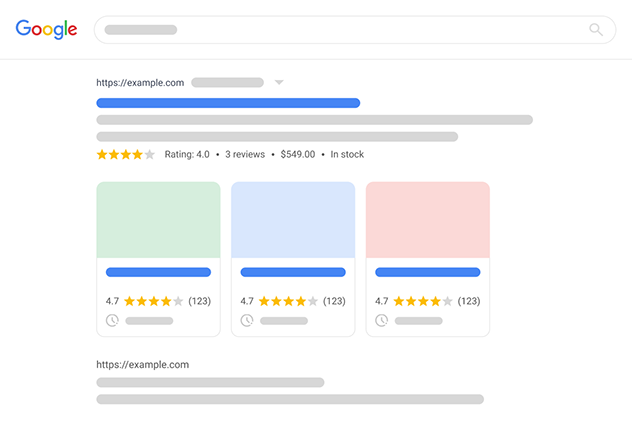
The purpose of structured data is to help Google better understand the content and context of a page. When implemented correctly, it enables enhanced search features such as rich results, including reviews, product information, FAQs, breadcrumbs, and other search enhancements.
While structured data provides Google with additional signals, it does not influence whether Google will use the meta description or generate a custom snippet from the page content. The final decision on which description to show is always made by Google, based on what it considers most relevant to the user’s search intent.
Why this behavior is normal
It is normal for some pages to display the meta description exactly, while others display a rewritten snippet. The same page may even show different descriptions for different search queries. This behavior is expected and is entirely controlled by Google.
Best practices
Although you cannot force Google to show a specific description, you can improve consistency by writing clear, relevant, and unique meta descriptions for each page. The page content should align closely with the meta description and clearly reflect the page's topic.
Avoid using duplicate, vague, or keyword-stuffed descriptions across multiple pages. Even when best practices are followed, Google may still choose to generate its own snippet.



 Rated: